







Search Results for: São Paulo coffee-producing region
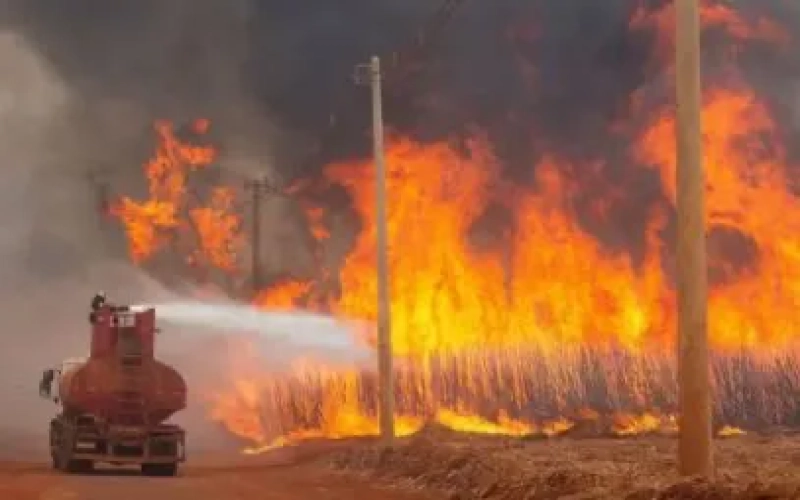
Fires in São Paulo State cause agricultural losses of about 1 billion reais, coffee futures prices may rise further
The state of São Paulo, Brazil, recently suffered severe fires, and the Civil Defense Authority warned that almost the entire state remains at high risk. Between August 22 and 24, a total of 2,600 fire points were recorded, with more than 80% concentrated in agricultural land such as sugarcane fields and coffee estates. The Ministry of Agriculture and Supply initially estimates losses at about 1 billion reais, and the actual figure may be higher. The fires burned at least 80,000 hectares of crops, and a large number of bees died, directly affecting coffee pollination and next year's output. At the same time, multiple coffee-producing regions in Brazil have gone more than 120 days without effective rainfall, the outlook for the Arabica flowering season is worrying, Robusta prices have already exceeded US$5,000 per ton, and coffee prices may continue to rise. [more…]

Severe storm hits São Paulo state, Brazil: Over two million users without power, coffee-growing regions hit again
The state of São Paulo, Brazil, recently endured a violent storm accompanied by historically powerful winds, leaving at least 7 people dead, 2.1 million users without power, and severely disrupting transportation, water supply, and business operations. As an important coffee-producing region in Brazil, São Paulo state has this year been hit in succession by drought, wildfires, and torrential rain, casting a shadow over the prospects for coffee growth in the new crop season. With power slow to be restored, inventory is piling up at processing plants and the risk of port delays is intensifying. Combined with expectations of reduced output in Vietnam and other producing origins, international coffee futures prices continue to run at high levels. This article will review the impact of the disaster, the abnormal climate in the producing region, and the chain reactions for the coffee industry. [more…]
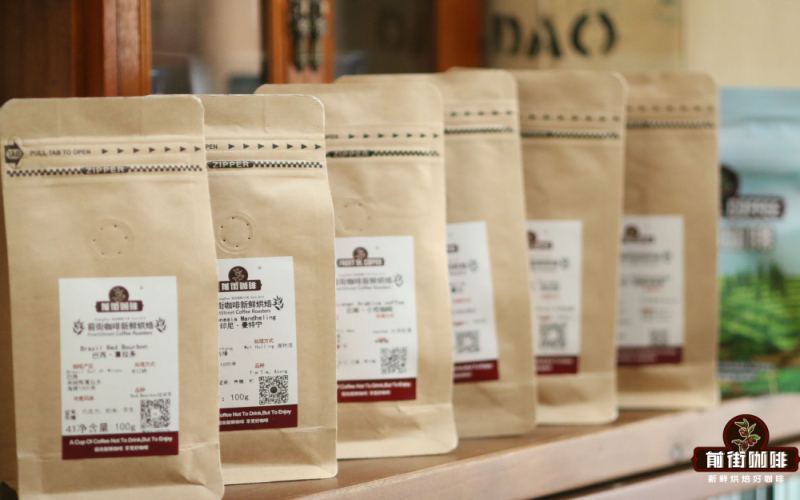
An Analysis of Brazil's Three Major Coffee Regions: Flavor Differences and Processing Characteristics of Sul de Minas, São Paulo, and Cerrado
As the world's largest coffee producer, Brazil has 17 coffee-growing states across its vast territory, with the most representative producing regions concentrated in the southeast. Unlike other countries in Central and South America, Brazil's coffee is generally grown at lower altitudes, and its large expanses of flat terrain have made mechanized harvesting and commercial processing the norm, giving Brazilian coffee a profile that tends to be balanced, low in acidity, and mellow. This article focuses on three major producing regions—Sul de Minas, São Paulo, and Cerrado—outlining their geographical conditions, variety composition, processing methods, and cup profiles, while also explaining how Brazil's distinctive pulped natural method affects coffee's sweetness and cleanliness. Front Street Coffee will also share, based on its own bean lineup, real flavor experiences from producing regions such as Mogiana and Cerrado. [more…]
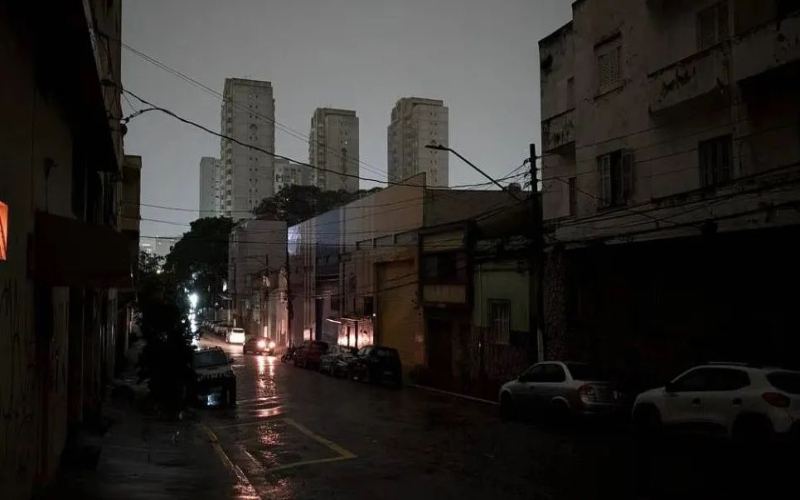
São Paulo State, Brazil Hit by Strongest Storm Since 1995, Coffee Industry and Multiple Sectors Suffer Losses of 1.65 Billion Reais
Brazil's São Paulo state recently suffered its strongest storm since 1995, with wind speeds reaching 107.6 kilometers per hour, causing at least 7 deaths, power outages for more than 3.1 million residential and commercial users, and cumulative economic losses of 1.65 billion reais. This extreme weather not only severely damaged local power supply and industrial production, but also directly harmed coffee trees that were in the flowering stage of the new crop season, leading to a decline in coffee production. At the same time, Brazil's largest coffee-producing region, Minas Gerais, continues to face the threat of drought and high temperatures. The official agency Conab has lowered its production forecast, with total output decreasing by about 4 million bags compared with the previous year. This article will provide a detailed review of the impact of this disaster on Brazil's coffee industry and related economic sectors. [more…]

Heavy Rain in Southern Brazil Devastates São Paulo Coffee Region, Flooding Threatens New Crop Yield During Flowering Season
Several states in southern Brazil have recently been hit by severe storms and heavy rain, with São Paulo and Rio de Janeiro states particularly hard hit, causing casualties and widespread power outages. This coincides with the flowering season for Brazilian coffee trees, and excessive rainfall and flooding could wash out farmland and knock coffee flowers off the trees, threatening production for the new season. At the same time, disrupted rainfall patterns in Minas Gerais are making the planting situation even more severe. The storms have also affected logistics and transportation, worsening ship delays at ports. The market is worried that a reduction in Brazilian coffee production will persist, and prices may remain high or even rise further. This article will review the impact of the disaster and the subsequent trajectory of the coffee industry. [more…]
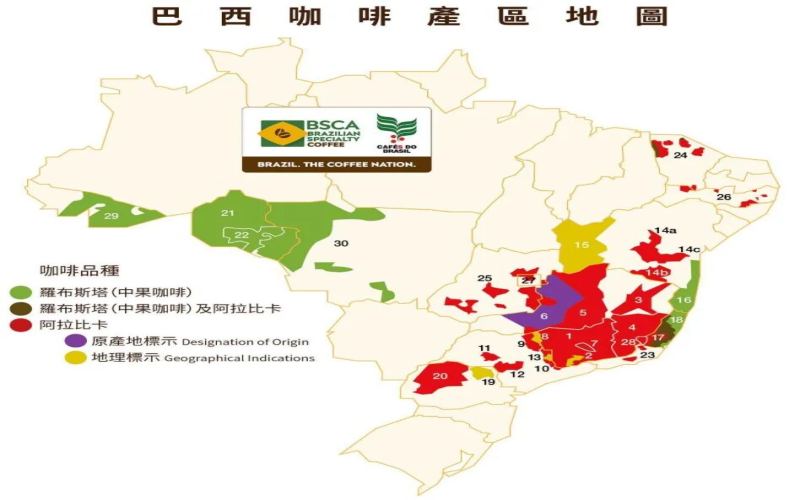
Main Coffee-Producing Regions in Brazil | What Are the Green Coffee Bean Grading Standards in Brazil? How Do You Describe the Flavor of Brazilian Coffee Beans?
What are the characteristics of Brazilian coffee, given that Brazil is the world's largest coffee-producing country? As a South American coffee, Brazilian beans have a relatively balanced flavor, low acidity, and a smooth mouthfeel, making them very suitable for use in espresso blends. Therefore, Front Street Coffee's basic blend, specialty blend, and commercial blend all use Brazilian beans as their base beans. Brazilian coffee [more…]
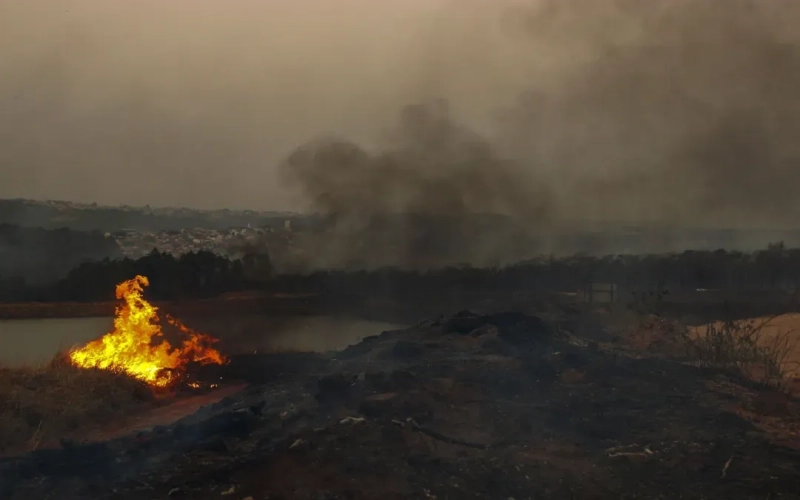
46 cities in São Paulo state, Brazil, enter a state of emergency due to wildfires, putting the new coffee crop season's production under threat.
Recently, the state of São Paulo in Brazil has been hit by its worst wildfires in decades, with at least 46 cities entering a 180-day state of emergency. The number of fires has reached a record high, thick smoke has shrouded multiple towns, roads have been closed, and flights have been canceled. Although Brazil's coffee harvest is nearly complete, the new crop season's coffee is in its growth period, and the area around Ribeirão Preto, the city most severely affected by the fires, as well as the well-known producing region of Mogiana, may both be impacted. Declining soil fertility, disrupted transportation, and the possible occurrence of "black rain" weather will all pose serious threats to Brazil's coffee output in the new season. This article will review the latest developments of the fires and their potential impact on the coffee industry. [more…]
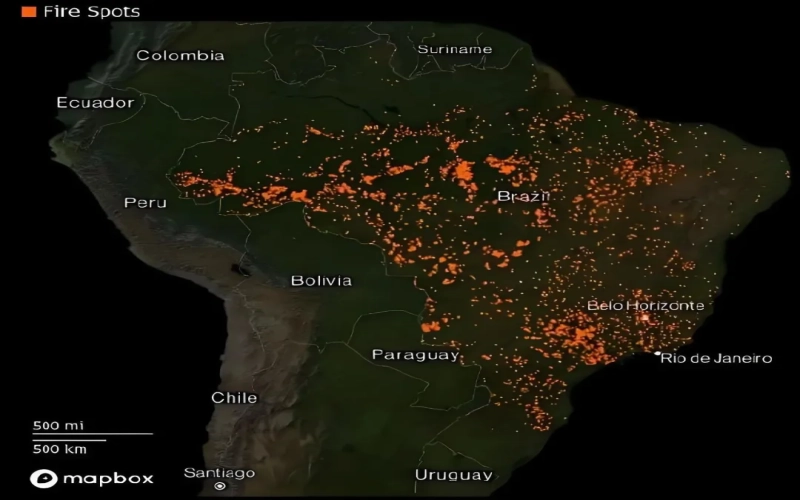
Drought and fires in Brazil affect nearly 60% of the country's land, coffee prices may continue to rise
Brazil is experiencing its most severe drought since records began in 1950, with nearly 60% of the country affected, frequent forest fires in many areas, and major coffee-producing regions such as São Paulo and Minas Gerais suffering serious damage. Coffee trees are in their flowering period, and the drought and fires have exacerbated adverse growing conditions and may lead to reduced output in next year's new crop season. At the same time, domestic spot prices for Robusta in Brazil have surpassed those for Arabica, and international coffee prices remain high. This article will provide a detailed analysis of the impact of the drought and fires on Brazil's coffee industry and global prices. [more…]
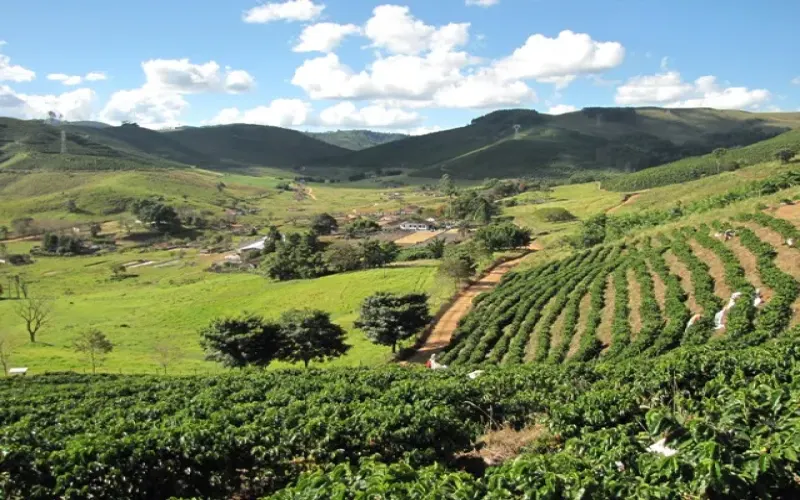
A Complete Guide to Brazilian Coffee Regions: Flavor and Brewing of Sun-Dried Yellow Bourbon from Queen Farm in São Paulo State
Brazil is the world's largest coffee-producing country, accounting for about 45% of the world's green coffee beans, and fluctuations in its output directly affect international coffee prices. Brazilian coffee is known for its plump beans, mild aroma, and smooth mouthfeel, making it suitable both for single-origin pour-over and often as a base bean in espresso blends. This article will systematically review Brazil's main specialty regions, focus on Queen Farm in the Mogiana region of São Paulo State, and present Front Street Coffee's selected Queen Farm Natural Yellow Bourbon coffee beans, analyzing everything from regional terroir and varietal characteristics to brewing parameters, so you can experience this high-altitude Yellow Bourbon's serene sweetness and balanced flavor. [more…]
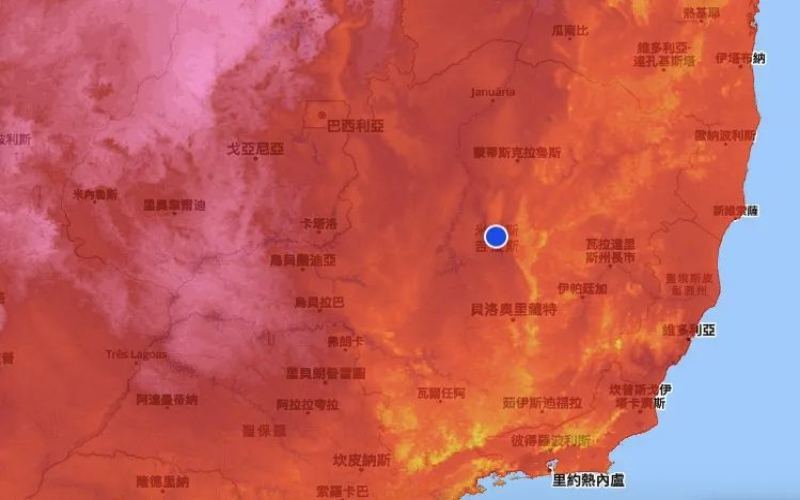
Brazil's drought may persist into 2025, coffee-growing regions face a severe test
Brazil is experiencing its worst drought in seventy years, with the major coffee-growing states of São Paulo and Minas Gerais hit especially hard. Wildfires have consumed large numbers of coffee plantations, with some estates losing nearly half their harvest, and the agriculture department estimates losses exceeding 2 billion reais. At the same time, Brazil's coffee exports hit a record high in August, driven mainly by stockpiling demand ahead of the EU's imminent implementation of the EUDR. Rabobank expects coffee prices to remain high through the end of the year, while the production outlook for the next crop season is full of uncertainty. This article will review the drought's comprehensive impact on Brazil's coffee industry and follow Front Street Coffee's ongoing tracking of developments in the producing regions. [more…]
Brazilian Coffee Bean Brand Recommendation: A Full Analysis of the Queen Estate of São Paulo Yellow Bourbon Flavor and Pour-Over Parameters
Brazil is the world's largest coffee producer, accounting for about one-third of global output, but why are Brazilian coffee beans generally so inexpensive? From the perspective of Front Street Coffee, this article first reviews Brazil's coffee-growing conditions and cultivation characteristics, then focuses on recommending the Queen Estate coffee beans from Mogiana in São Paulo State, introducing their Yellow Bourbon variety, pulped natural processing method, and flavor profile, along with Front Street Coffee's pour-over brewing parameters and pricing reference, to help coffee lovers gain a comprehensive understanding of this Brazilian specialty coffee that combines sweetness with full body. [more…]
A Complete Guide to the Flavors of Brazil's Specialty Coffee Regions: The Origin Stories of Minas, Cerrado, Mogiana, and the Port of Santos
Brazil is not only the largest country in South America, but also the world's number one producer of coffee beans. This nation, where passion and serenity coexist, produces coffee that carries the rich notes of nuts and chocolate while offering a smooth and mild mouthfeel. A total of 17 states in Brazil produce coffee, with the main growing regions distributed across six states: Bahia, Espírito Santo, Minas Gerais, São Paulo, Paraná, and Rondônia. Among them, Minas Gerais contributes more than half of the country's Arabica coffee beans and is also the core zone for specialty coffee; the Port of Santos in São Paulo state serves as an important gateway for Brazil's coffee exports. On Front Street Coffee's bean list, there are two Brazilian beans—the Red Bourbon from the Cerrado region and the Yellow Bourbon from Queen Mogiana Estate. The former represents the classic Brazilian flavor, while the latter showcases even better sweetness through refined natural processing. [more…]
A Complete Guide to Brazilian Coffee Origins: From Variety Origins to Six Major Regions and Flavor Profiles
Brazil is the world's largest coffee-producing country, yet more than three hundred years ago there was not a single coffee tree here. From a romantic tale of seed-passing in 1727 to the six major producing regions spread across the country today, Brazilian coffee has traveled a long and winding road. This article will trace the varietal origins and historical development of Brazilian coffee, introduce the distribution of the six major producing regions—Bahia, Espírito Santo, Minas Gerais, São Paulo, Paraná, and Rio de Janeiro—and focus on presenting the origin information, processing methods, and flavor profiles of two Brazilian beans from Front Street Coffee: Queen Estate Yellow Bourbon and Cerrado Red Bourbon, helping coffee enthusiasts gain a comprehensive understanding of the charm of Brazilian coffee. [more…]

Flavor Analysis of Latin American Coffee Regions: The Path of Richness and Balance from Brazil to Colombia
Latin America is one of the most important coffee-producing regions in the world, known for its balance, body, and mild fruit acidity, with flavor profiles that often present cocoa and dark chocolate notes. As the world's largest coffee producer, Brazil, despite its relatively low altitude and somewhat flat flavor, still produces high-quality specialty coffee through variety improvement and processing method adjustments. Colombia, on the other hand, occupies a unique position with its rich aroma, bright acidity, and nutty flavors. This article will systematically review the main producing regions, processing method characteristics, and flavor expressions of Brazil and Colombia, and recommend related specialty coffee beans from the Front Street Coffee brand, providing coffee enthusiasts with a practical guide to Latin American coffee. [more…]
Queen Farm Yellow Bourbon from the Mogiana Region of São Paulo: Tracing and Tasting Brazilian Specialty Coffee
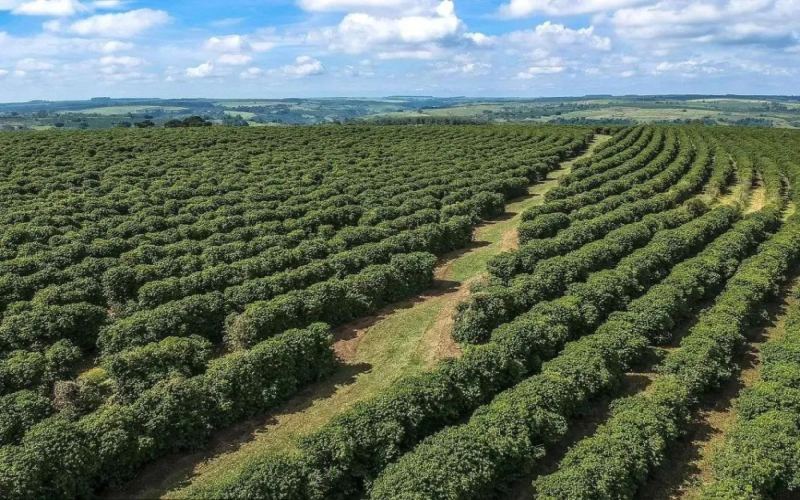
Brazil, as the center of gravity in the global coffee landscape, ranks first in both production and export volume. This article focuses on the high-altitude sub-region of the Mogiana region in São Paulo State, providing an in-depth analysis of the Yellow Bourbon coffee beans produced by Queen's Farm. The content covers Brazil's overall growing environment, soil and climate advantages, compares the differences between Bourbon and Typica heirloom varieties, and explains the low-yield and high-sweetness characteristics of Yellow Bourbon as a locally unique mutation. It also introduces how Brazil's original pulped natural processing method balances sweetness and body. Finally, it presents the specific parameters and brewed flavor performance of this bean from Front Street Coffee, offering enthusiasts a complete understanding from origin to cup. [more…]
A Complete Guide to Brazilian Santos Coffee Beans: From Historical Origins to a Flavor Comparison of Front Street Queen's Farm and Cerrado
Brazil Santos coffee beans are one of the most familiar Brazilian representatives for coffee lovers worldwide, known for being soft and smooth, low in acidity, and prominently nutty, and they are also the top choice recommended by Front Street Coffee baristas for customers who dislike sourness. This article will take you through the legendary origins of Brazilian coffee from more than three hundred years ago, outlining how Brazil started from zero to become the world's largest coffee-producing country, and will also introduce in depth two Bourbon-variety Brazilian beans from Front Street Coffee—the Yellow Bourbon from Queen Estate in São Paulo and the Red Bourbon from Cerrado in Minas Gerais—covering regional terroir, processing methods, roasting recommendations, and brewing parameters to help you fully understand the classic charm of Brazilian coffee. [more…]

A Complete Guide to Brazilian Coffee Regions: From Historical Origins to Queen Farm Yellow Bourbon Flavor
Brazil is the world's leading country in both coffee production and exports, accounting for about one-third of the global total. However, coffee is not native to Brazil. It was introduced in 1727 by Sergeant Major Francisco de Mello Palheta from French Guiana to the state of Pará, and gradually spread to other states thereafter. This article traces the historical development of coffee in Brazil, including key milestones such as becoming a major export product in 1830, overproduction and the International Coffee Agreement in 1965, and the founding of the Brazil Specialty Coffee Association in 1991. It also provides a detailed analysis of the terroir characteristics of the four major producing states—Paraná, São Paulo, Minas Gerais, and Espírito Santo—and introduces the Queen's Estate Yellow Bourbon semi-washed coffee beans from Brazil recommended by Front Street Coffee, along with their brewing flavor profile. [more…]
A Complete Guide to Brazilian Coffee Regions: Red Bourbon Flavor Characteristics and Brewing Parameters
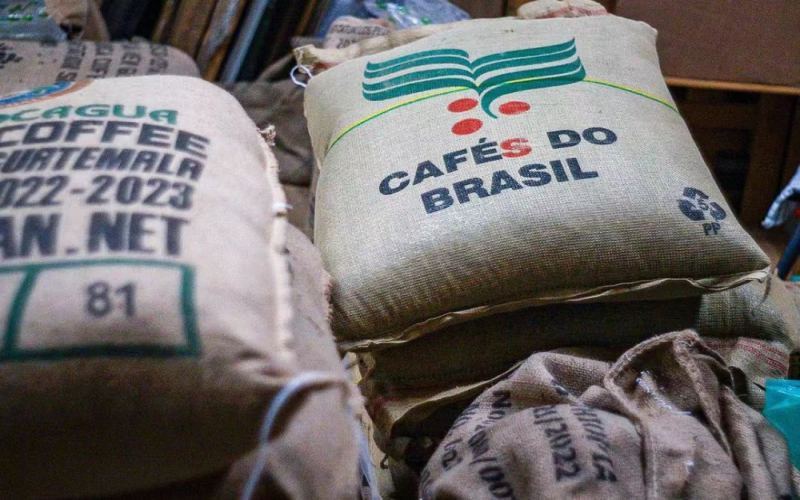
Brazil is the world's largest coffee producer, accounting for about one-third of global output. Despite frost and drought in 2020, its planted scale still ranks first. Brazil has numerous coffee-growing regions, and different terroirs give coffee beans vastly different flavor profiles. This article systematically reviews Brazil's main Arabica-producing regions, covering the growing characteristics and flavor trends of Bahia, Minas Gerais, Cerrado, São Paulo, Paraná, and other areas, and focuses on introducing the flavor characteristics, brewing parameters, and Brazil's official coffee grading system of Front Street Coffee Brazil Cerrado Red Bourbon coffee beans, helping coffee enthusiasts gain a deeper understanding of the origin and quality of the Brazilian coffee in their cup. [more…]
Brazil experiences unusually high temperatures in autumn, disrupting the growth rhythm of coffee-producing regions
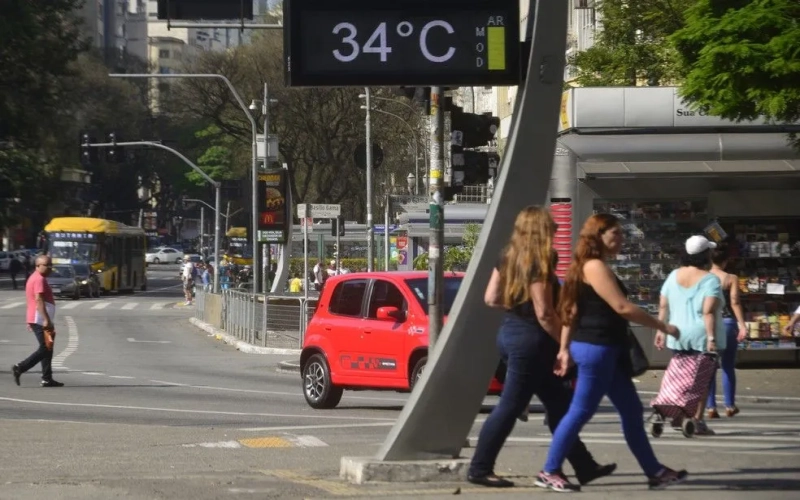
Global extreme weather continues to intensify, and Brazil has seen a rare phenomenon of inverted seasonal temperatures. May should mark the start of autumn, yet São Paulo recorded its hottest day for the same period in 81 years, with temperatures soaring to 32.8°C and generally remaining above 30°C. Persistent high temperatures and scarce rainfall are disrupting the normal growth cycle of coffee trees, with drought conditions particularly severe in central producing regions such as Minas Gerais. At the same time, Brazil and Vietnam's production and export data are trending upward, putting pressure on both international futures and domestic spot prices, but the future weather trajectory remains highly uncertain. [more…]
Flavor Analysis of Queen Estate Yellow Bourbon Specialty Coffee from São Paulo, Brazil, and the Differences Between Pulped Natural and Natural Processing Methods
Brazil is the world's largest coffee producer, and one of the representatives of its specialty coffee is the Yellow Bourbon variety produced by Queen Farm in São Paulo State. This article, from the perspective of Front Street Coffee, systematically reviews Queen Farm's producing region background, variety characteristics, differences in processing methods, and roasting and brewing recommendations. The article not only introduces the flavor differences between Yellow Bourbon and Red Bourbon, but also compares in detail the effects of semi-washed and natural processing methods on coffee quality, and includes the grading standards for Brazilian coffee beans. Whether you are an enthusiast who wants to learn about Brazilian specialty coffee or a consumer looking for everyday coffee beans, you can gain practical reference from it. [more…]